
Robotic Orthopedics
Robots are often used as devices that help humans perform power-hungry and dangerous tasks. However, over the years, the roles of robots have changed, and robotic systems have been used in many areas of surgery in medicine to increase safety and precision. The use of robots in surgical procedures dates back to the 1890s. In the 1990s, robotic surgical systems began to be used in hip and knee replacement surgeries. Over the years, modern robots that we use today in joint prosthesis surgeries have been designed and developed. Today, NAVIO robotic surgery has taken its place as a new generation robotic surgery system that focuses on hip and knee replacement surgeries.
Advantages Of Robotic Joint Replacement Surgery
• Faster and more painless recovery
• Quicker return to daily life
• Feeling the prosthesis like his own knee
• Less risk of wear and loosening of the prosthesis
• Longer life of the prosthesis


Fracture Surgery
Fractures are the most common condıtıon ın emergency applıcatıons to the department of orthopedıcs and traumatology. Fractures usually occur due to traumas such as traffic accidents, falls and blows. However, in people with osteoporosis, bone resorption, those with bone tumors or some similar diseases that reduce bone strength, spontaneous fractures can occur without a serious blow. Bone fractures can be open or closed, sometimes accompanied by vascular, nerve or internal organ injury and can be life-threatening. At the same time, soft tissue, ligament, muscle, cartilage injuries or dislocations in the joint can be seen in the fractured area. While orthopedics and traumatology specialists perform both closed and open surgical treatment and follow-up of fractures, they also intervene in secondary problems such as nonunion and infection in the fracture. After the surgeries applied with the technological and scientific advances in fracture surgery in recent years, the patients can return to their daily lives in a short time since the fractures can heal more quickly.
Common Fractures In Orthopedics
• Elbow fractures in children
• Hip fractures in the elderly
• Arm and forearm fractures
• Thigh and leg fractures
• Wrist fractures
• Ankle fractures
• Spinal fractures
Pediatric Orthopedics
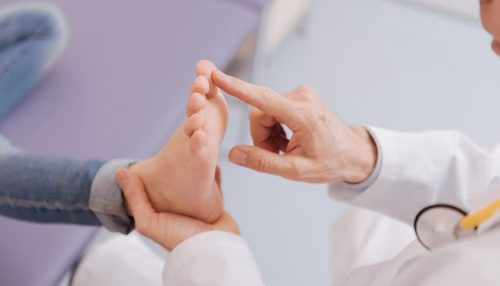
Pediatric Orthopedics is the department that deals with the diagnosis, non-surgical treatment and surgical treatment of all kinds of bone, muscle, joint, tendon and ligament problems from birth to infancy, childhood, adolescence and youth. The fundamental difference of pediatric orthopedics from adult orthopedics; It is due to the treatment of the age group whose bones, muscles and joints are still growing and developing. The reaction of the pediatric musculoskeletal system to injuries and infections is different from that of the adult body. Biomechanical and deformities of the musculoskeletal system that occur at birth or during development, traumatic problems that occur as a result of falls and accidents are evaluated and followed up by pediatric orthopedic doctors.
Some of the treatments applied are;
• Treatment of fractures and dislocations
• Congenital hand, arm, leg, foot anomalies
• Congenital neck and spine problems
• Evaluation of hip development under ultrasound guidance
• Surgical treatment and follow-up of hip dislocations
• Foot sole analysis and orthosis
Arthroscopy- Sports Surgery
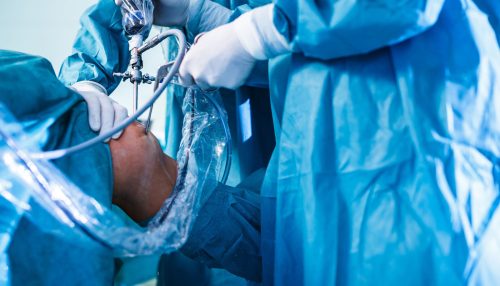
Joint pain is a common condition in people who are active in their daily life, those who work in active jobs and athletes. Today, many conditions that cause knee, hip, shoulder, elbow, wrist and ankle pain are treated with arthroscopic surgery. The treatment of these conditions is usually provided with minimally invasive and arthroscopic surgery. Thus, people can return to their active life and sports life. Arthroscopic surgery is the surgery performed by using special surgical instruments from small cuts to enter the joint. Arthroscopic surgery, also known as closed joint surgery, is a surgery with less risk and a shorter recovery period. During arthroscopy, the physician can both detect the problem and apply the necessary surgical treatment by monitoring the inside of the joint on the screen. Today, it is possible to treat all major joints with arthroscopic surgery.
Advantages Of Arthroscopic Joint Surgery;
• Small incisions and surgical procedure
• Preservation of healthy tissues
• Less bleeding
• Faster and more painless recovery
• Quicker return to daily life
Regenerative Orthopedics
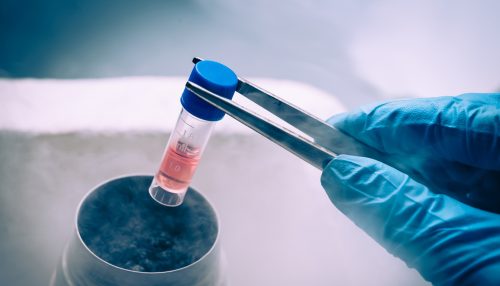
Regenerative medicine; It is a method that stimulates functional cells to repair damaged or lost tissue and revitalizes the natural healing process. Stem cell applications, treatments such as thrombocyte-rich plasma injections, prolotherapy, known as TZP or PRP for short, help to stimulate the reparative cells in the musculoskeletal system and accelerate the healing process. Primarily, the joint in many bone, muscle, joint and ligament problems, including calcification and cartilage damage regenerative injection methods can be applied. In regenerative applications, since the solution applied to the patient is obtained from the patient's own natural blood or tissue, there are no cases of body rejection or allergic effects.

Spine Surgery
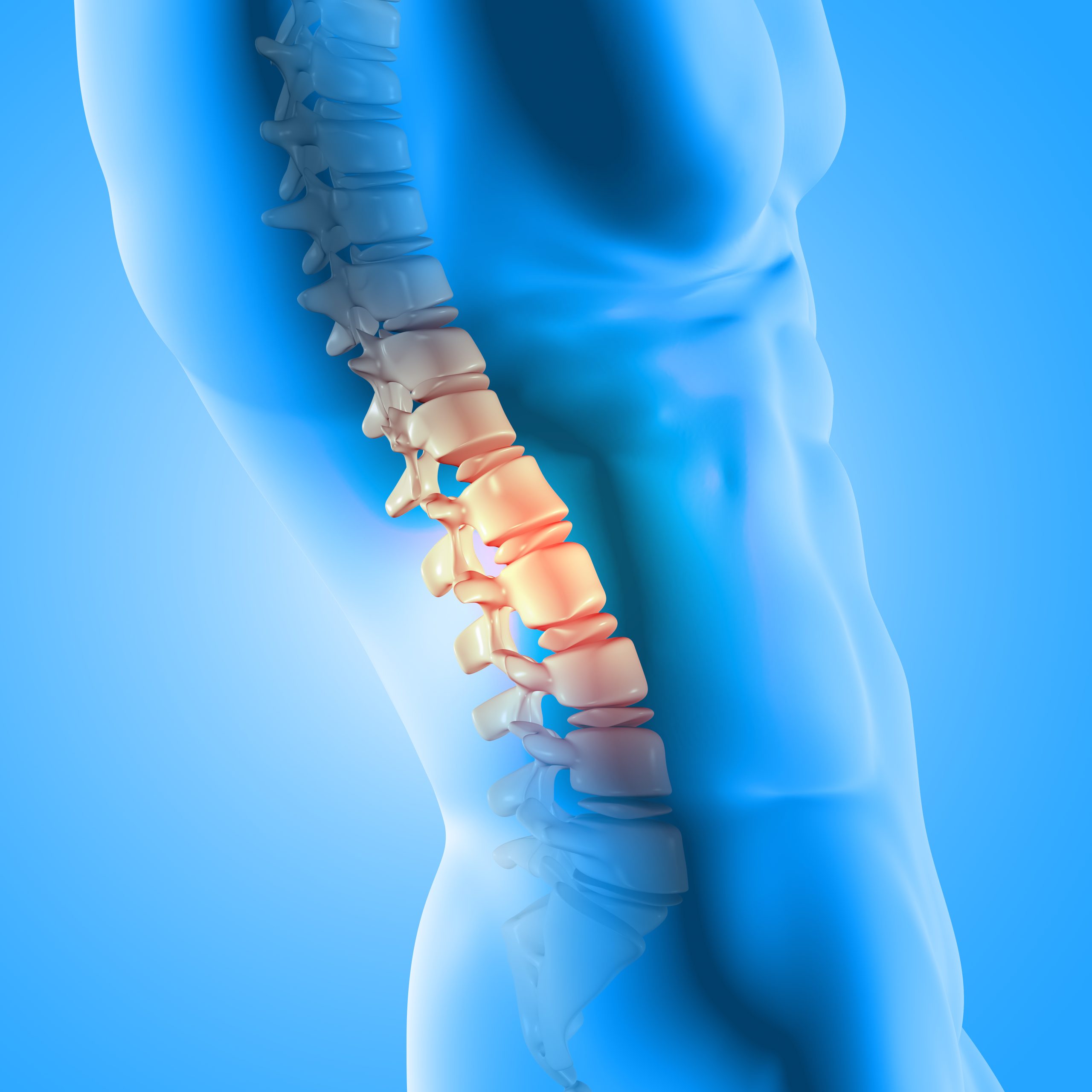
Spine surgery includes operations and various interventions on the spinal system that protects the spinal cord and nerve roots. Various diseases of the spine cause structural, functional and mechanical disorders in these critical formations. Problems in the spinal system can affect the spinal cord and nerve roots and cause serious conditions such as pain and limitation of movement, numbness, loss of strength and deformities. Permanent damage such as weakness and numbness can be prevented with early diagnosis and treatment in spinal problems, which are common in society. In addition, interventional pain management methods are frequently used.
Interventional Pain Management In Spinal Problems;
• Epidural injection
• Facet joint injection
• Sacroiliac joint injection
• Nerve root blockades
• Radiofrequency applications

Knee Surgery
The knee joint is the most frequently injured joint due to strain, injuries and traumas in daily life and sports activities. Knee pain and difficulty walking is a condition that negatively affects the daily life of many people. Today, thanks to the developments in knee surgery, patients are offered a more comfortable and active life. Surgical procedures of the knee joint can be performed as arthroscopic, that is, closed joint surgery, or as open surgery depending on the situation. Today, knee meniscus surgeries, ligament and tendon repairs, and some surgical procedures for cartilage preservation are performed arthroscopically. Open surgical methods are used in the treatment of prosthetic surgeries and some fractures applied in joint calcification.
Common Knee Problems;
• Meniscus tears
• Ligament tears
• Cartilage damage
• Knee cap problems
• Joınt calcification
• Intra-articular and periarticular fractures
Foot Surgery
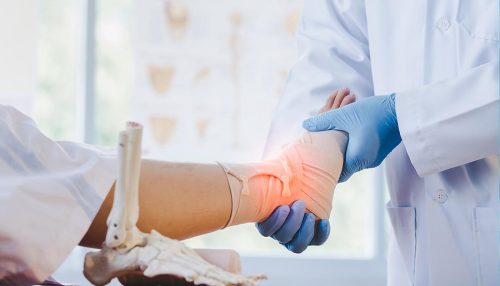
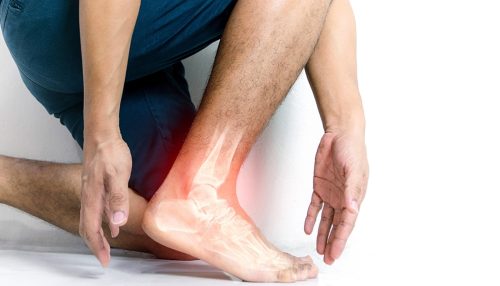
The feet, which carry all the weight of the body all day long, can wear out over the years and cause various painful problems. However, various congenital or acquired foot deformities may increase over time and cause pain and difficulty in walking. In addition, arthritis, inflammation, rheumatic diseases, infections, blood circulation disorders, nerve ending disorders affect the foot area and cause problems. Fractures and dislocations, ligament and tendon injuries due to accidents and falls are common conditions that orthopedic doctors encounter and require emergency treatment with or without surgery.
Treatments applied are;
• Foot-ankle complex surgeries
• Arthroscopic (closed) surgical treatment
• Ultrasound guided injections
• Foot sole analysis and orthosis
• Bacteriophage therapy in infected wounds
• Diabetic foot assessment and treatment

Shoulder-Elbow Surgery
Shoulder and elbow joint problems may occur due to strains or injuries during sports activities in daily life, as well as due to injuries as a result of falls, impacts and accidents. The difficulty in moving the arm, which develops as a result of shoulder and elbow pain, is a condition that negatively affects the daily life of many people. In the surgical treatment of shoulder and elbow joints, procedures can be performed as arthroscopic, that is, closed joint surgery, or as open surgery depending on the situation. Today, some attempts for ligament, tendon, capsule repairs and cartilage preservation in shoulder and elbow surgery are performed arthroscopically. Open surgical methods are used in the treatment of joint calcification and prosthetic surgery and some fractures.
Situations where shoulder and elbow surgery is applied;
• Shoulder rotator cuff tears
• Repeated shoulder dislocation
• Tennis and golfer elbow
• Ligament, tendon and nerve injuries
• Shoulder and elbow joint cartilage problems
• Calcification in shoulder and elbow joints
• Shoulder, arm, elbow bone fractures
• Shoulder and elbow infection, tumor
• Problems resulting from trauma or stroke

Hip Conserving Surgery
Hip pain, movement and walking difficulties are a joint problem that negatively affects people's lives. When congenital or acquired disorders and diseases of the hip joint are not treated properly, calcification develops in the joint. Hip joint calcification is a permanent condition, and the functions of the person can only be improved by hip replacement surgery.
The purpose of surgery when protecting the hip; It is the preservation of the hip joint structure and treatment with closed-arthroscopic or minimally open interventional surgical methods in order to eliminate some common hip problems that are detected early. Thus, the development of joint calcification, which leads to hip replacement in most patients, can be delayed or prevented. Although hip-sparing surgery is usually performed in young adults, before the joint is damaged, there is no age limit.
Situations where hip conserving surgery is frequently performed;
• Developmental hip dislocation
• Hip impingement syndrome
• Labrum tears
• Cartilage damage
• Perthes disease
• Slipped epiphysis of the femur
• Avascular necrosis of the hip head
• Post-traumatic hip problems

Lengthening Surgery
Lengthening surgery is a surgical operation performed by orthopedic specialists in order to lengthen the bones in the arms and legs and increase functionality. Apart from defects caused by leg length inequalities, poorly fused bone fractures as a result of unsuccessful treatment, congenital defects and developmental disorders, it can also be performed for aesthetic purposes.
It naturally takes place over the years in the process of taller growth and growth and development. However, genetic factors, hormonal reasons or chronic diseases can cause short stature. Although short stature or disproportionate limbs are not seen as a disease, it can cause a person to feel uncomfortable and have social, psychological and functional disadvantages that will have radical effects on their life. These problems can be avoided thanks to the surgical methods applied today.
Who is lengthening surgery applied to?
• It can be done from the age of 4-5 depending on the bone structure
• Dwarfism treatment is started at an early age
• In general, the age range of 20-45 is the most suitable period
Cerebral Palsy Treatment
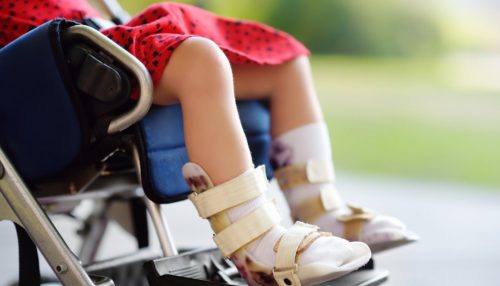
There is no definitive treatment method that will fully heal patients with cerebral palsy and reverse the brain damage, but the latest developments in cerebral palsy treatment and current treatments help infants and children with CP to be active and independent by improving their mobility and improve their quality of life. Physical therapy and rehabilitation in the treatment of CP is one of the important treatment methods that aim to improve daily movement skills such as sitting, walking, playing, dressing and toilet.
One of the latest developments in the treatment of cerebral palsy is stem cell therapy. Stem cell therapy, which is a part of regenerative medicine, is considered one of the best candidate treatments, considering its potential to repair brain damage in CP patients. Many clinical studies around the world continue to demonstrate the effectiveness of stem cell therapy in cerebral palsy.
The methods used in the treatment of cerebral palsy are:
• Medication
• Physical Therapy And Rehabilitation
• Bobath Therapy (Neurodevelopmental Therapy)
• Therasuit Method (Space Therapy)
• Hydrotherapy
• Special Education Apps
• Occupational Therapy
• Speech Therapy
• Sensory Integration Therapy
• Botox Treatment
• Orthotic And Prosthetic Applications
• Surgical Applications